When, Where, How, and Why were artificial limbs developed...?
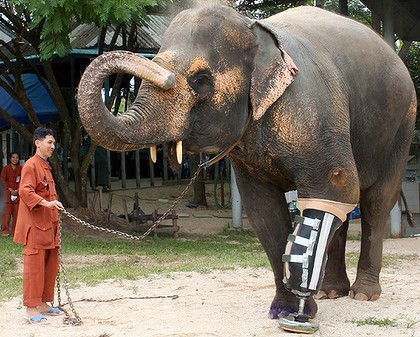
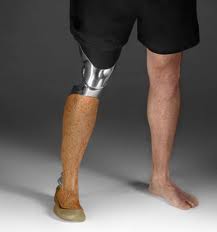
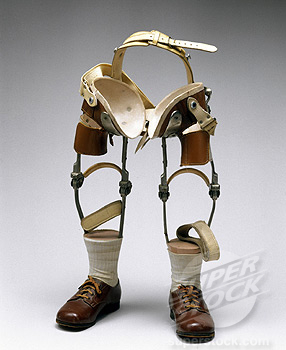
Prosthesis is an artificial extension that replaces a missing vital body part, like an arm or a leg. They are meant to restore an amount of normalcy like being able to walk after losing a leg. The first artificial limb used back in the ancient times was simply a wooden peg. The newest development is the use of carbon fiber to form a lightweight pylon, internal structure of the fake limb. Prosthetic limbs are like dentures, or eyeglasses, whereas they are first prescribed by a medical doctor after talking with the amputee, a prosthetic, and a physical therapist. The four types of artificial limbs are transtibial, transfemoral, transradial, and transhumeral. A transtibial limb replaces a leg missing above the knee, while a transfemoral limb replaces a limb missing below the knee. Transradial and transhumeral are artificial limbs that replace arms. Transradial replaces an arm missing below the elbow, and a transhumeral limb replaces an arm missing above the elbow.
Many experts are optimistic about the future of prosthetic limbs, but they do believe that there is vast room for improvement. In the past, CF was used for reinforcement of exoskeleton prostheses, but CF is a superior material that will replace metals in pylons. There are pressure sensitive foot transducers located in the feet that send signals to electrodes set in the stump, and nerves receive and interpret signals. Amputees walk more normally because they can feel the ground. Above-knee prosthesis has a built in computer that can be programmed to match the patient's gait, and their walking is made easily and natural.
The three main topics we will be covering in our website is the economic impact and biotech innovators & ethical, legal, and social issues. We also cover the evolution of the artificial limbs in our timeline.
Hayley Rundle, Ivana Kentera, and Ava Sims
Period 1